Ideal Seasons for Polished Concrete Installation
Polished concrete installations are most effectively completed during periods of stable weather, typically in moderate seasons with minimal temperature fluctuations and low humidity. Proper curing and finishing depend on consistent environmental conditions to ensure durability and optimal appearance.
Spring and fall are ideal due to moderate temperatures and lower humidity, which facilitate proper curing and finishing.
Extreme heat, cold, or high humidity can impact curing times and surface quality, making these periods less suitable.
Significant temperature changes can cause cracking or uneven surfaces, delaying project timelines.
Planning installations during stable weather windows minimizes delays and ensures high-quality results.
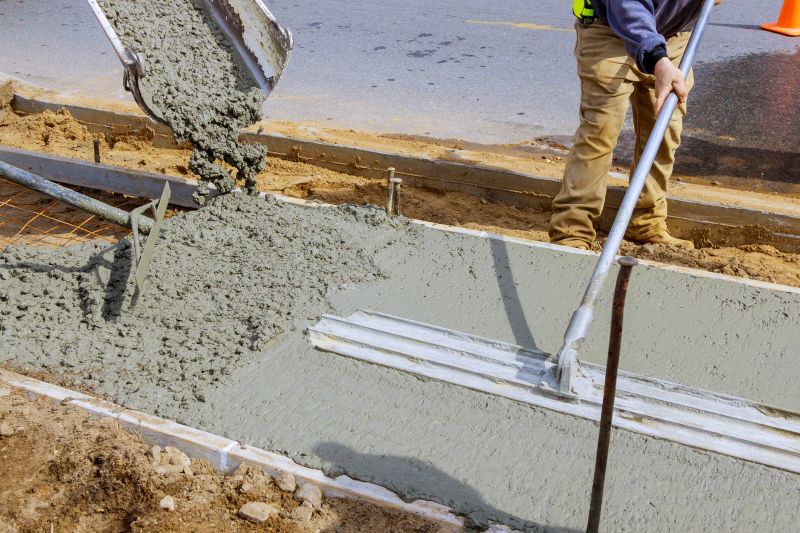
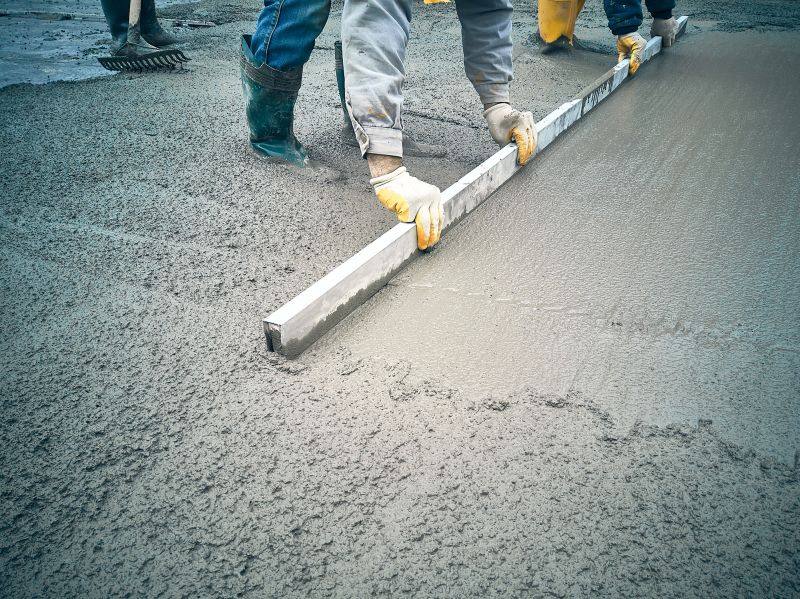
Concrete is poured and polished during mild spring weather for optimal curing.
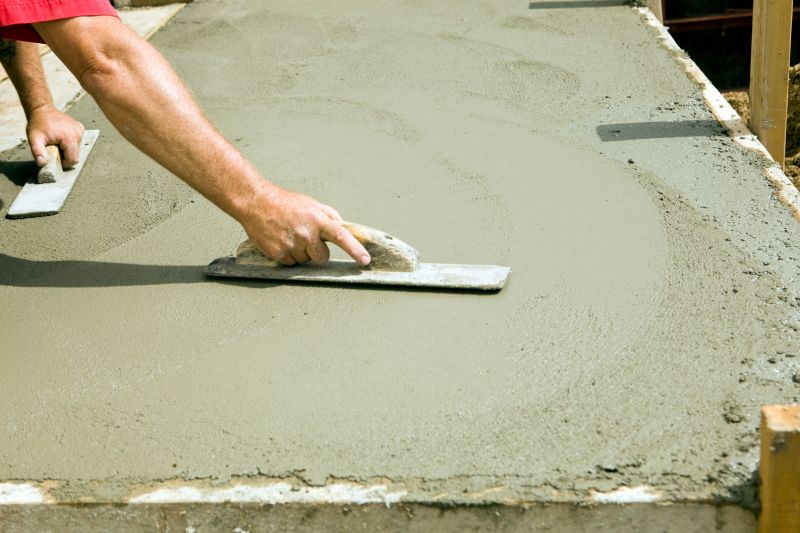
Fall offers cooler temperatures that help prevent rapid drying and cracking.
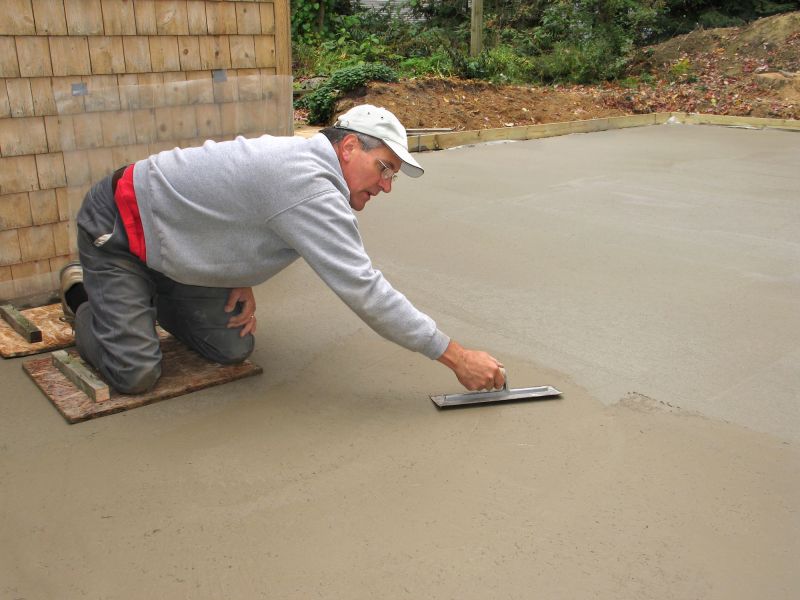
High summer temperatures can lead to rapid evaporation, affecting surface finish.
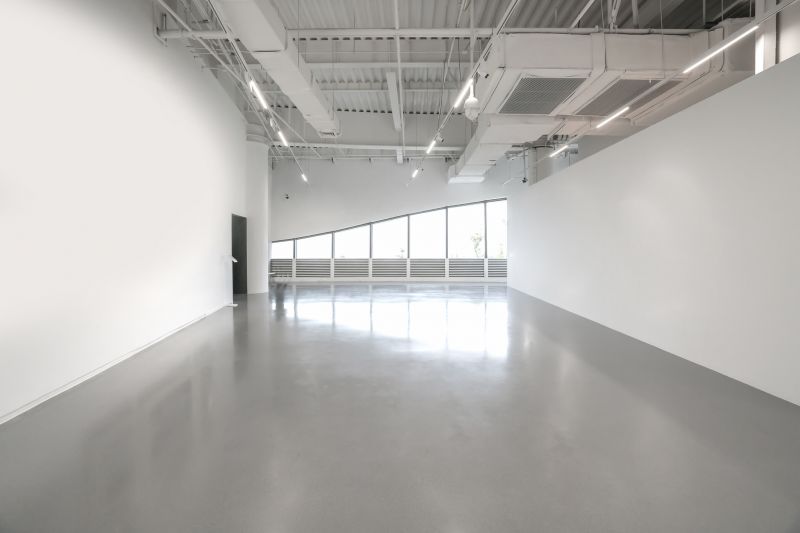
Ways to make Polished Concrete Installations work in tight or awkward layouts.
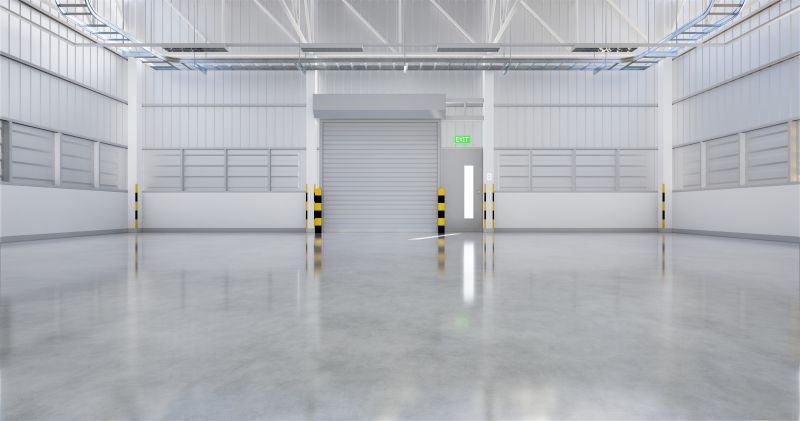
Popular materials for Polished Concrete Installations and why they hold up over time.
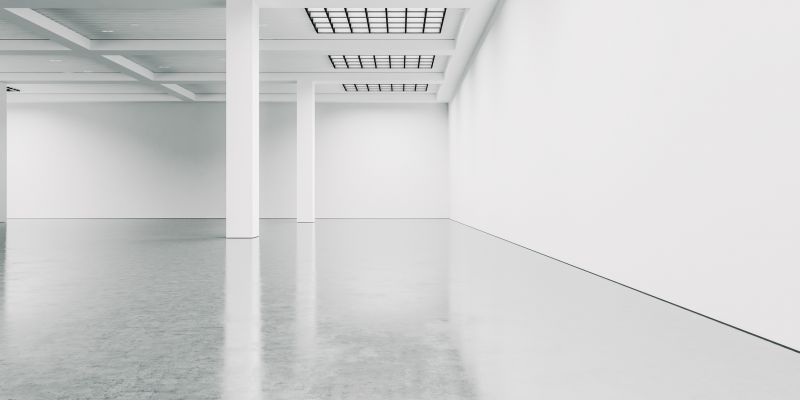
Simple add-ons that improve Polished Concrete Installations without blowing the budget.
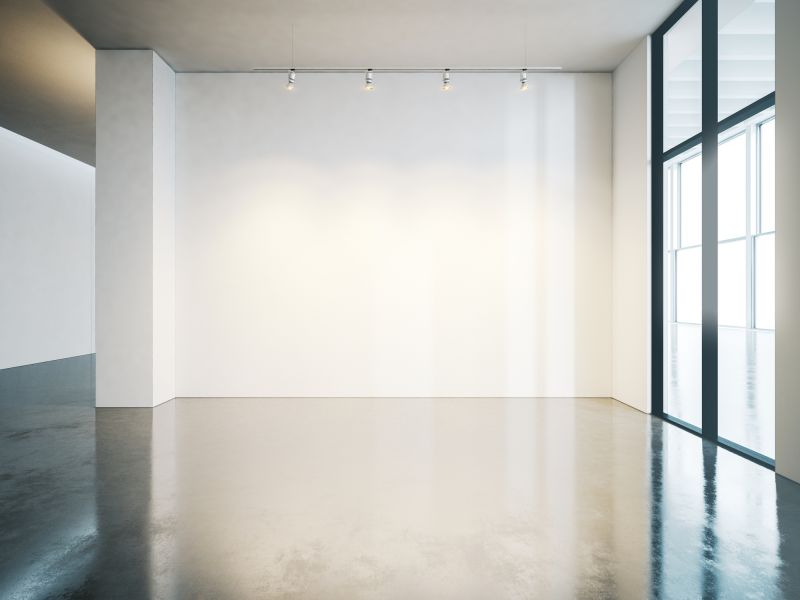
High-end options that actually feel worth it for Polished Concrete Installations.
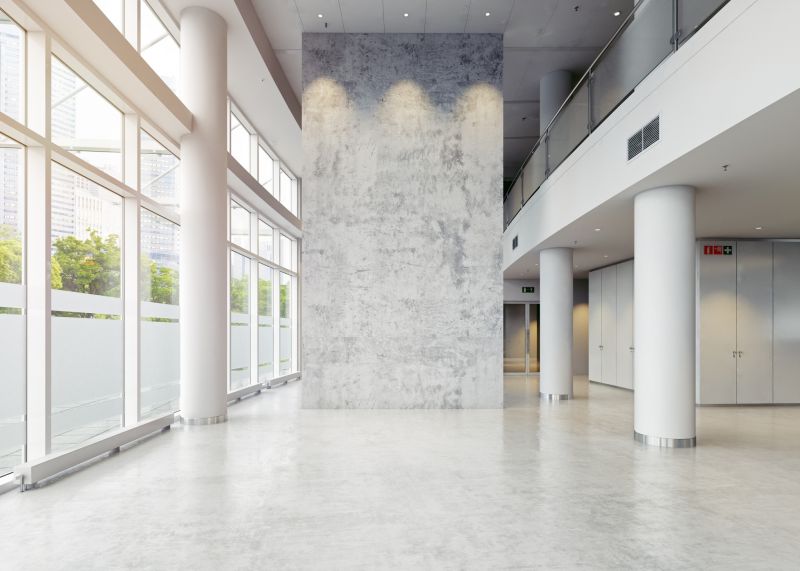
Finishes and colors that play nicely with Polished Concrete Installations.
Polished concrete installations involve a multi-step process that includes grinding, honing, and polishing the surface to achieve a smooth, reflective finish. This process enhances the durability and aesthetic appeal of concrete floors, making them suitable for commercial, industrial, and residential spaces. The process is efficient, environmentally friendly, and requires minimal maintenance, making it a popular choice for various applications.
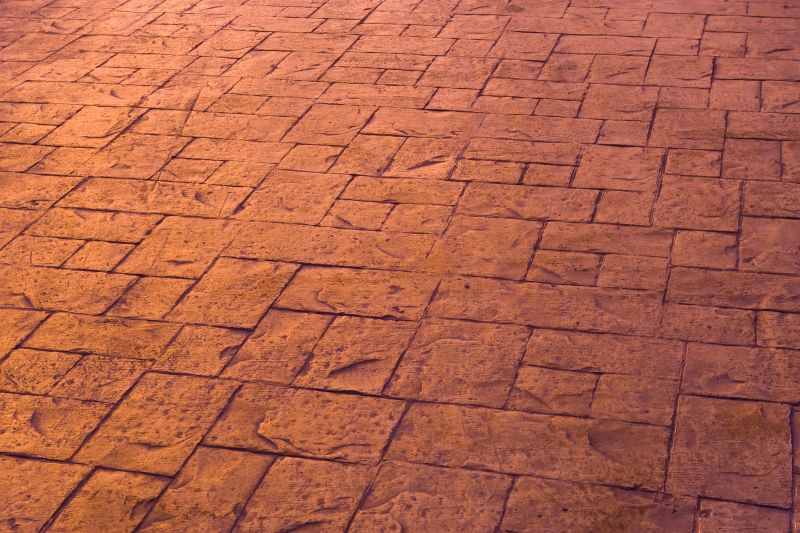
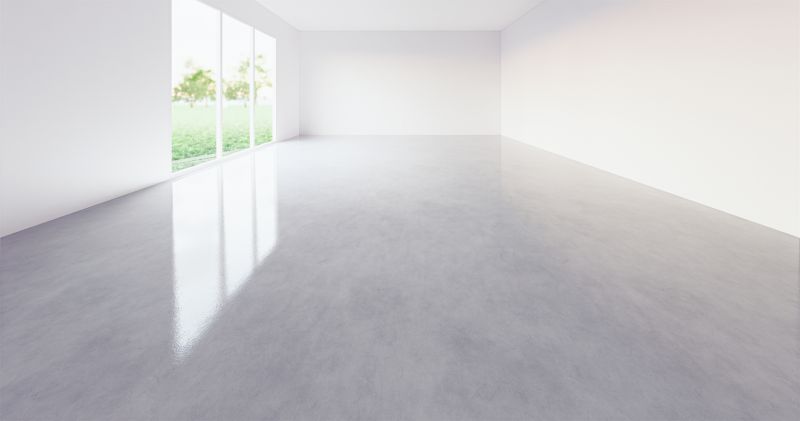
A high-gloss, durable surface suitable for high-traffic areas.
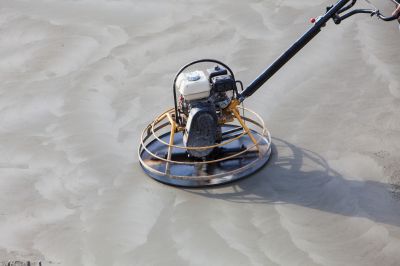
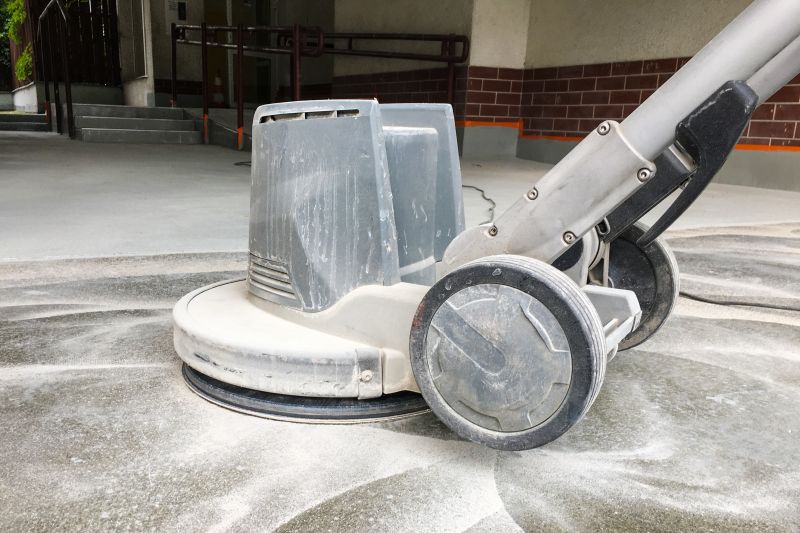
Specialized machinery used to prepare and polish concrete surfaces.
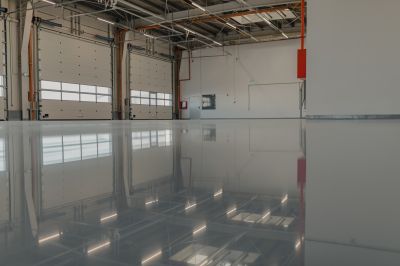
Reflective, smooth surface with enhanced longevity.
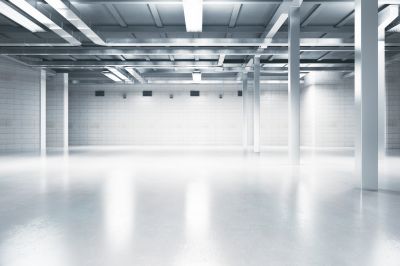
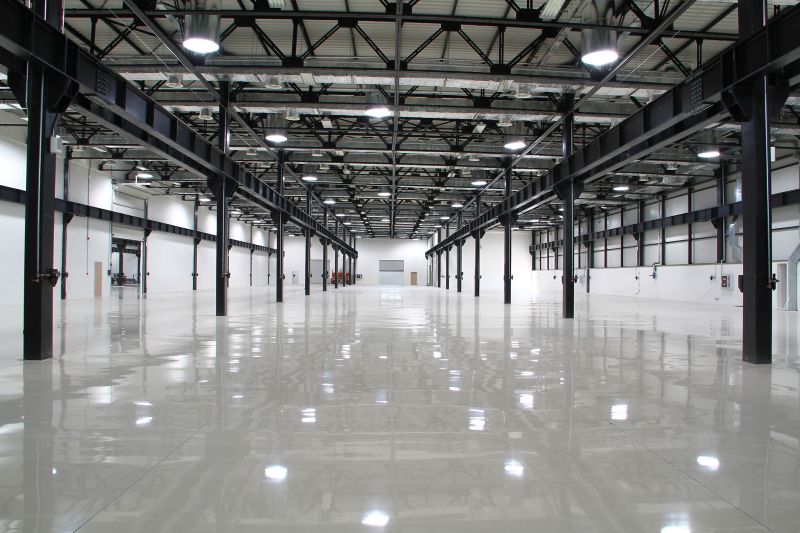
Polished concrete used in retail and industrial environments.
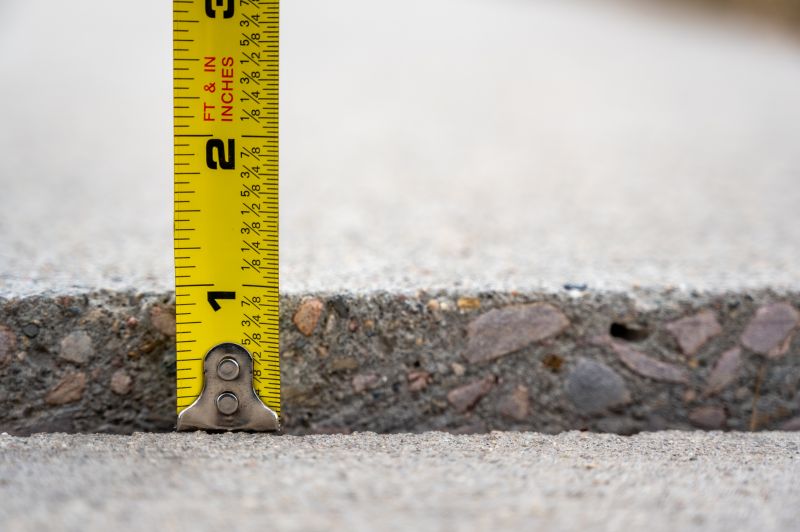
Little measurements that prevent headaches on Polished Concrete Installations day.
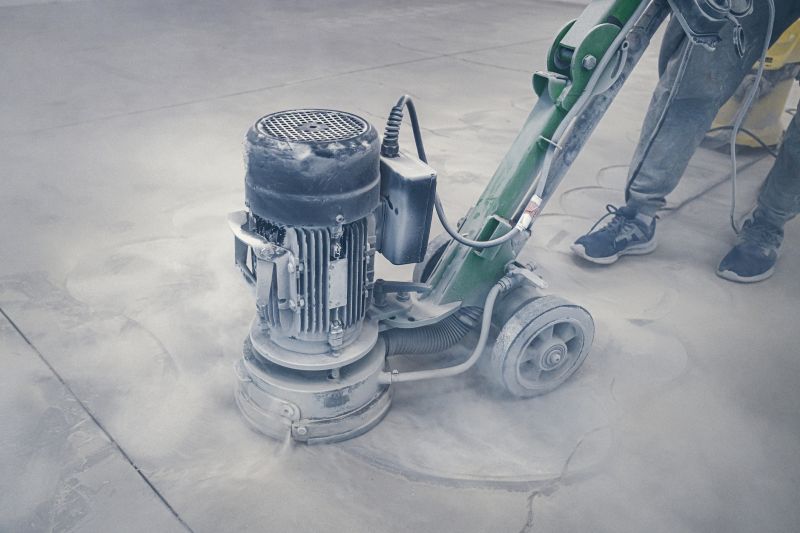
A 60-second routine that keeps Polished Concrete Installations looking new.
A frequent mistake in Polished Concrete Installations and how to dodge it.
Small tweaks to make Polished Concrete Installations safer and easier to use.
| Season | Advantages |
|---|---|
| Spring | Moderate temperatures support effective curing and finishing. |
| Fall | Cooler weather reduces drying time and cracking risk. |
| Summer | High temperatures may cause rapid drying and surface imperfections. |
| Winter | Cold and moisture can delay installation and affect quality. |
| Ideal Conditions | Temperatures between 50-80°F with low humidity. |
Choosing the right time for polished concrete installation is crucial for ensuring a durable and high-quality finish. Proper planning around seasonal weather patterns helps prevent issues such as cracking, uneven surfaces, or delays. Consulting with experienced professionals can aid in scheduling during optimal periods and achieving the best results for long-term performance.
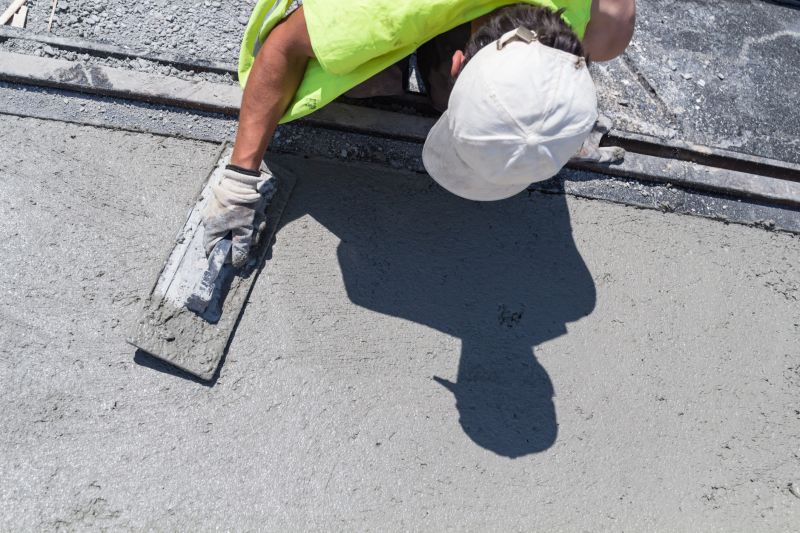
Concrete curing during spring's mild weather ensures strength and appearance.
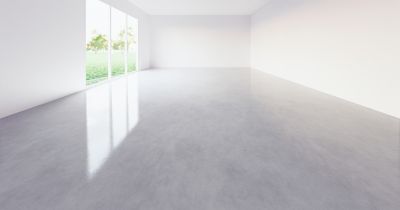
Fall provides ideal conditions for finishing and polishing.
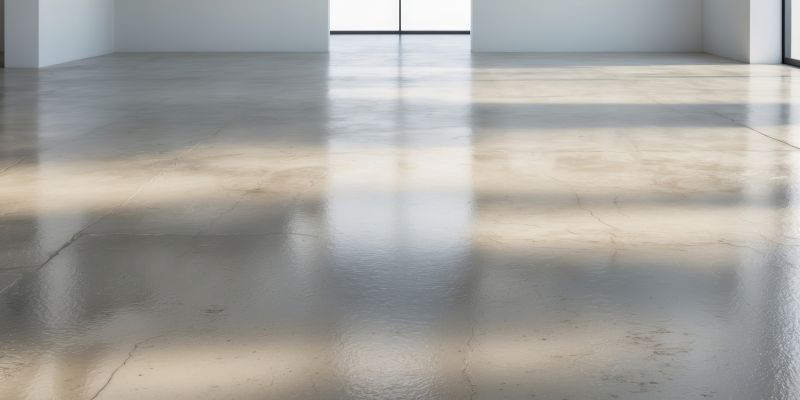
Avoiding extreme temperatures helps maintain surface integrity.
Lower-waste or water-saving choices for Polished Concrete Installations.
The short, realistic tool list for quality Polished Concrete Installations.
Rough timing from prep to clean-up for Polished Concrete Installations.
Quick checks and paperwork to keep after Polished Concrete Installations.
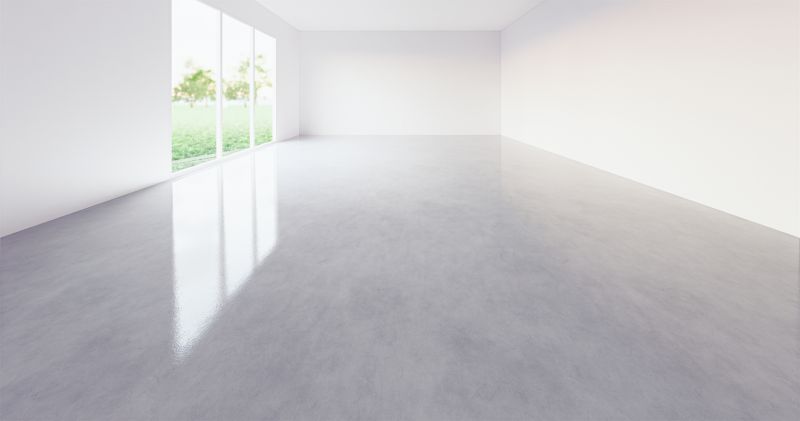
Examples that show the impact a good Polished Concrete Installations can make.
Interested in polished concrete installations? Filling out the contact form can provide more information and help schedule projects during the most suitable times for optimal results.