Get Concrete Ramp Installation
Concrete ramp installation services help property owners create smooth, accessible entryways for wheelchairs, scooters, and mobility aids across various residential and commercial projects.
Concrete ramp installation is a practical solution for property owners seeking safe and accessible entryways. Whether managing mobility needs, preparing for equipment delivery, or enhancing the overall functionality of a property, a well-constructed ramp can make a significant difference. Local contractors specializing in concrete work can help plan and execute these projects to meet specific site requirements, ensuring durability and safety for everyday use.
Exploring options for concrete ramp installation involves comparing services offered by nearby professionals who understand the unique needs of the community. Planning a project carefully and choosing experienced local service providers can lead to a smooth process and a result that adds both convenience and value to a property. Keep reading to learn more about how local contractors can assist with your concrete ramp needs.
- Residential Driveways - homeowners may need concrete ramps installed to improve accessibility or vehicle entry.
- Commercial Entrances - businesses requiring durable ramps for customer or employee access to storefronts.
- Loading Docks - industrial facilities needing concrete ramps to facilitate the movement of goods and equipment.
- Public Facilities - government or community buildings that require accessible ramps for compliance and safety.
- Garage Entries - property owners seeking smooth, stable transition points for vehicle and foot traffic.
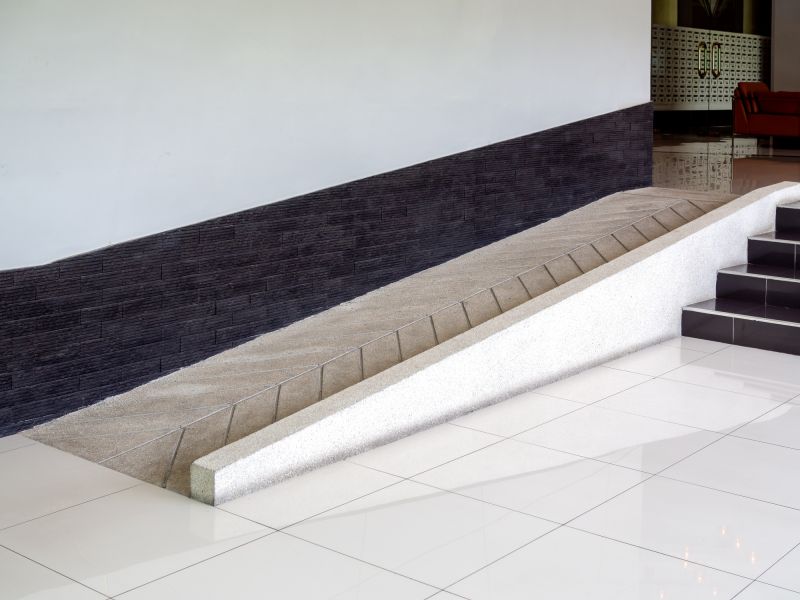
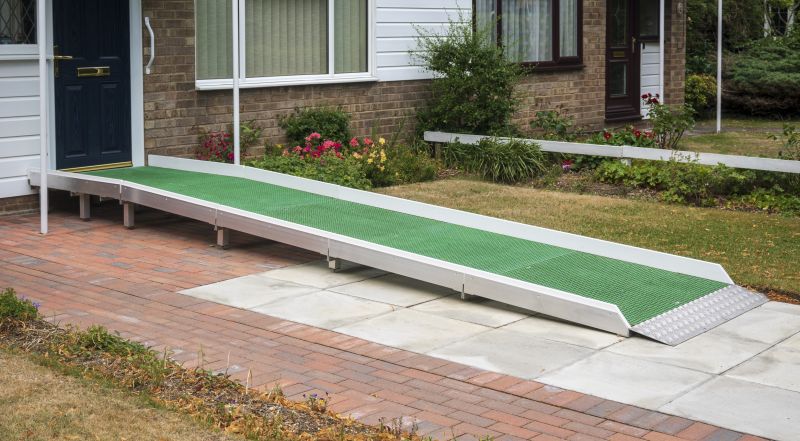
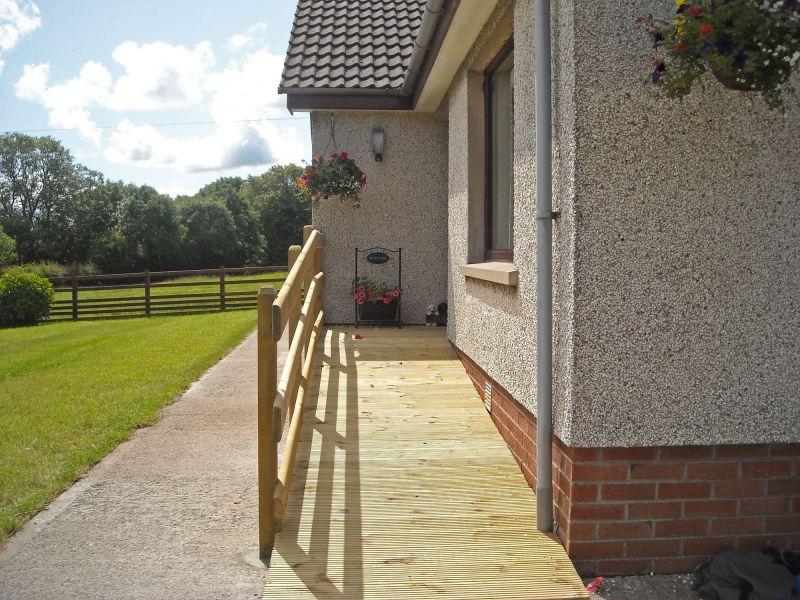
Concrete ramp installation services involve constructing smooth, durable slopes that provide accessible entry points to buildings, garages, or outdoor spaces. This process typically includes site assessment, precise measurements, and the pouring and finishing of concrete to create a stable, level incline. Experienced service providers ensure the ramp is built to accommodate specific needs, whether for wheelchair access, moving heavy equipment, or improving overall property accessibility. Proper installation is essential to ensure safety, stability, and compliance with relevant standards.
These services help solve common accessibility challenges faced by homeowners dealing with stairs, uneven terrain, or other barriers that hinder easy access to their property. Installing a concrete ramp can make a significant difference for individuals with mobility issues, elderly residents, or anyone recovering from injury. Additionally, ramps can prevent accidents caused by slipping or tripping on steps, especially in adverse weather conditions. By providing a safe, reliable pathway, concrete ramps contribute to a more inclusive and functional property environment.
Properties that typically utilize concrete ramp installation include residential homes, especially those with multiple levels or elevated entrances. Commercial buildings, such as retail stores, offices, or community centers, often require ramps to meet accessibility standards. Additionally, properties with garages, sheds, or outdoor storage areas may benefit from ramps that facilitate easier movement of heavy or bulky items. Service providers can tailor each ramp to fit the specific layout and needs of different property types, ensuring a seamless integration into the existing landscape.
Homeowners or property managers who find stairs or uneven surfaces challenging to navigate may consider concrete ramp installation as a practical solution. This service is particularly useful for those planning to improve accessibility for elderly family members, individuals with disabilities, or anyone seeking safer, more convenient entry points. Service providers can handle a range of projects, from simple single-step ramps to complex, multi-level inclines, helping property owners create safer, more accessible spaces. Contacting local contractors can provide the expertise needed to develop a durable, functional ramp suited to specific property requirements.
The overview below groups typical Concrete Ramp Installation projects into broad ranges so you can see how smaller, mid-sized, and larger jobs often compare in your area.
In many markets, a large share of routine jobs stays in the lower and middle ranges, while only a smaller percentage of projects moves into the highest bands when the work is more complex or site conditions are harder than average.
Smaller Repairs - typical costs for minor concrete ramp repairs usually fall between $250-$600. Many routine fixes, such as patching or resurfacing, land in this range, though prices can vary based on the extent of the work.
Standard Ramp Installations - the average cost for installing a new concrete ramp is generally between $1,000-$3,000. Most projects in this category are straightforward and fall within the middle of this range, with fewer reaching higher prices for added features.
Full Replacement - complete removal and replacement of a concrete ramp can cost from $3,500 to $7,000 or more. Larger, more complex projects with custom designs or site challenges tend to push costs into the higher end of this spectrum.
Custom or Complex Projects - highly customized or intricate concrete ramp installations can exceed $7,000, with some specialty designs reaching $10,000+ depending on size and specifications. These projects are less common and typically involve additional customization or site work.
Actual totals will depend on details like access to the work area, the scope of the project, and the materials selected, so use these as general starting points rather than exact figures.
Concrete Walkways - Local contractors skilled in concrete work can install durable walkways that require similar planning and surface preparation as ramps.
Driveway Paving - Paving driveways involves concrete pouring and leveling techniques comparable to those used in ramp installation projects.
Steps and Staircases - Building concrete steps and staircases involves precise formwork and reinforcement skills similar to ramp construction.
Garage Floor Slabs - Installing concrete garage floors requires planning and execution techniques aligned with those used for ramp surfaces.
Patio and Outdoor Surfaces - Creating concrete patios involves surface preparation and finishing skills that are applicable to ramp installations.
Foundation Pouring - Laying concrete foundations demands structural planning and concrete handling expertise akin to that needed for ramps.
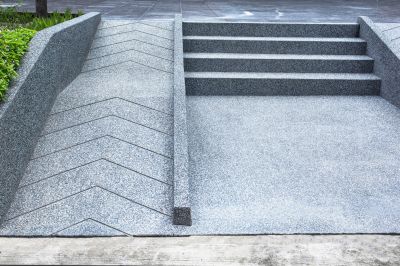
When comparing local contractors for concrete ramp installation, it’s important to consider their experience with similar projects. Homeowners should inquire about how many ramps they have installed and whether they have worked on projects comparable in size and scope. A contractor’s familiarity with the specific requirements of ramp construction can help ensure that the work is completed efficiently and meets any relevant standards or standards-like expectations. Reviewing the contractor’s portfolio or asking for examples of past work can provide insight into their expertise and the quality of their craftsmanship.
Clear written expectations are essential for a successful project. Homeowners should seek out service providers who can provide detailed estimates and scope of work agreements that outline what will be done, materials used, and any other relevant details. Having a well-defined plan helps prevent misunderstandings and ensures that both parties are aligned on the project’s goals. It’s also helpful to confirm that the contractor is open to answering questions and clarifying any aspects of the process before work begins, fostering transparency and trust.
Reputable references and good communication are key indicators of a dependable service provider. Homeowners should ask for references from previous clients who had similar work done and follow up to learn about their experiences. Additionally, a contractor’s responsiveness and clarity in communication can reveal how well they manage projects and address client concerns. While the site introduces homeowners to local options, it’s important to remember that the actual installation work is handled by the service providers themselves. Comparing these factors-experience, clarity of expectations, references, and communication-can help ensure a smooth and satisfactory concrete ramp installation process.
Property owners use Concrete Ramp Installation services for practical projects around their homes and businesses. This guide focuses on everyday jobs and straightforward project options.
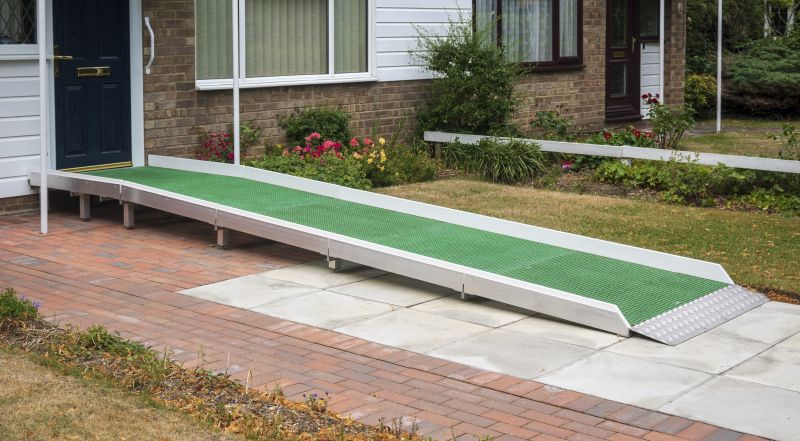
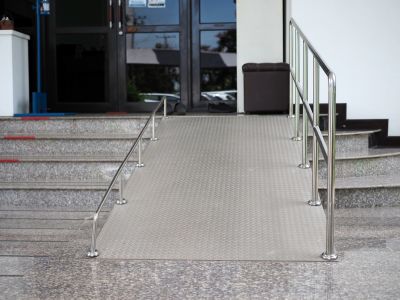
Concrete ramp installation is a common project for property owners who need accessible entryways or smooth pathways to improve safety and convenience. Whether upgrading a residential driveway to accommodate mobility devices or creating a seamless transition between different levels on a commercial property, local contractors can provide the expertise needed to complete these improvements efficiently. These services are often sought after when homeowners or business owners want to enhance accessibility, meet building codes, or simply improve the overall functionality of their property.
Property owners in the area may also look for concrete ramp installation when planning renovations or new constructions that require durable, long-lasting solutions. Local service providers are equipped to handle a variety of project sizes, from small residential ramps to larger commercial installations, ensuring that the work is done to meet specific needs. Connecting with experienced local contractors can help property owners find the right solutions for their accessibility and safety goals.
What is involved in installing a concrete ramp? Installation typically includes site preparation, formwork, reinforcement placement, pouring, and finishing of the concrete to ensure a smooth, durable surface.
Are there different types of concrete ramps available? Yes, local contractors can provide various types of ramps, such as straight, curved, or custom-designed, to suit specific accessibility or functional needs.
What factors influence the suitability of a concrete ramp for a property? Factors include the slope requirements, available space, load capacity, and the purpose of the ramp, which local service providers can evaluate.
Can a concrete ramp be customized for specific accessibility standards? Yes, local contractors can design and install ramps that meet various accessibility guidelines and accommodate individual needs.
What steps should be taken before installing a concrete ramp? Preparation involves assessing the site, obtaining necessary permits, and discussing design options with local service providers to ensure proper installation.
Wheelchair Ramp Installation - Property owners can improve accessibility by installing concrete ramps to make entry easier for individuals with mobility challenges.
Garage Entry Ramps - Installing a concrete ramp at the garage entrance can facilitate smooth vehicle access for vehicles with low clearance or for wheelchair users.
Loading Dock Ramps - Business or residential properties may need concrete ramps to safely move heavy items or equipment in and out of buildings.
Driveway Transition Ramps - Concrete ramps can be used to create smooth transitions between driveways and sidewalks, reducing trip hazards and easing vehicle access.
If you are thinking about Concrete Ramp Installation for a property, this guide is meant to help you understand the work, the typical project types, and how different options might fit your plans.
When you are ready, you can use the quote form on this page to share a few details about your project. From there, local pros can review the basics and respond with options that match what you have in mind.